About Marine Debris
Marine debris is one of the most critical environmental challenges of our time, threatening biodiversity, harming marine life, and impacting human health and livelihoods across the world. In ASEAN, land-based plastic waste and other forms of debris are major contributors to ocean pollution. We aim to support the ASEAN Regional Action Plan for Combating Marine Debris, providing resources and insights that help integrate waste management strategies with the roadmap’s goals for cleaner, healthier, and more sustainable seas.
Good Practices

The Plastic Flamingo (The Plaf)
The Plastic Flamingo is a social enterprise aimed at collecting plastic waste and recycling it into construction material. Based in the Philippines, the Plastic Flamingo, or the Plaf, collects and sorts plastics before shredding the plastic and transforming it into planks and posts. These planks, also called eco-lumber, is being used to make fencing, furniture, and even shelter, as the Philippine population suffers from recurring damages from annual typhoons and floods.
The Plaf has several drop-off points mainly in Metro Manila, with a few in the cities of Cebu and Davao. These are areas where the public can drop off their plastic waste. The company then weighs, cleans, and sorts the plastic, before being molded into eco-lumber or plastic pellets, depending on the project.
The Plaf also offers itself as an Extended Producer Responsibility Partner, wherein large enterprises that produce plastic waste create a framework to prevent waste leaking into the environment, as stipulated in the Extended Producer Responsibility Act of 2022. They partner with companies to upcycle their plastic wastes. Some past partners include World Wide Fund for Nature Philippines, Tetra Pak, and Coca-Cola Far East Limited Philippines, Inc.

Carton Recycling Investment Programme
In Ho Chi Minh, Vietnam, a carton recycling operation, aims to collect and recycle 3,000 tons of discarded beverage cartons. Tetra Pak and Circular Action are implementing the program with the help of the Packaging Recycling Organization (PRO) Vietnam, a partnership of Vietnamese consumer goods and packaging companies. The program will last from April 2022 until March 2023.
The program intends to work with informal waste collectors to collect beverage cartons and resell them to Dong Tien Paper Factory, who would recycle them into new products. In addition, Tetra Pak has invested 1.2 billion EUR in the factory to increase beverage recycling capacity by early 2022.
The program began by providing incentives to larger waste aggregators, and local pickers profit from greater prices paid for carton materials. Presently, vehicles travel throughout the city advertising fixed rates at which waste collectors can sell these beverage cartons. The program uses the Circular Action KOLEKT App to track the collection of these cartons, adding a digital component to the program.

Project STOP
Project STOP (Stop Ocean Plastics) initiated in Indonesia aims to create a low-cost, circular, replicable and zero-leakage waste management system in collaboration with households, institutions, local initiatives and informal waste workers. It was piloted in April 2018 in Muncar, Indonesia and further expanded to Jembrana, Pasuruan and Banyuwagi.
The project was introduced to address the issue of open and haphazard disposal of waste in the absence of a formal waste management system. It works in alignment to the principle of self-sufficiency and empowers locals to manage their own waste while enabling them to generate profit from it to make the working modality financially sustainable. It supports the local implementation through investments, technical expertise, waste system design, project management, capacity building and recycling/ reprocessing valorisation.
The primary founders of the initiative are SystemIQ, an ecological business consulting organisation, and Borealis, a plastic production company. The Norwegian Ministry of Foreign Affairs, NOVA Chemicals, Nestle, the Alliance to End Plastic Waste, Bourouge and Siegwerk, Veolia, Sustainable Waste Indonesia, Schwarz and HP are other integral partners. The Ministry of Environment and Forest, Ministry of National Development Planning, Ministry of Public Works and Public Housing and local governments of the project sites also provide domestic support.
It has four main objectives:
- to achieve zero waste leakage into the environment through regular residential and industrial waste collection
- create circular system by generating opportunities that create value from waste
- achieve economic sustainability through local job opportunities
- create conducive environment for tourism and fishing to flourish locally

MoE Regulation No. 13/2012 on Guideline for Implementation of 3R through Waste Banks
The concept of waste bank emerged in Indonesia with the introduction of the 2008 waste policy and materialized into action through the Ministry of Environment Regulation 13/2012. It provides a comprehensive framework for the establishment and development of waste banks in 250 cities across the country. The primary focus of the waste banks is to serve as a collection point for waste materials that have further prospects of recycling and reuse.
The 13/2012 regulation specifies the requirements, mechanism and operation guidelines for waste banks, recognizing their integral role in application of the 3R principles and the extended producer responsibility (EPR). It shifts from the traditional collect-transport-dispose approach to a more sustainable model focused on waste segregation and recycling of valuable waste.
Waste banks are typically run by the community with technical assistance by the central and local governments. In other cases, it might also be initiated by the local governments or the private sector under their corporate sector responsibility (CSR) programs. In general, they function as a collection point where residents can deposit their waste. The sorted waste is eventually purchased by junk collectors for further processing and the depositors receive nominal cash as an incentive in return of their waste.
Overall, the policy sets waste banks as crucial intermediaries in waste management that act as buffer points for collection of recyclables rather than allowing them to end up in landfills.
3RProMAR
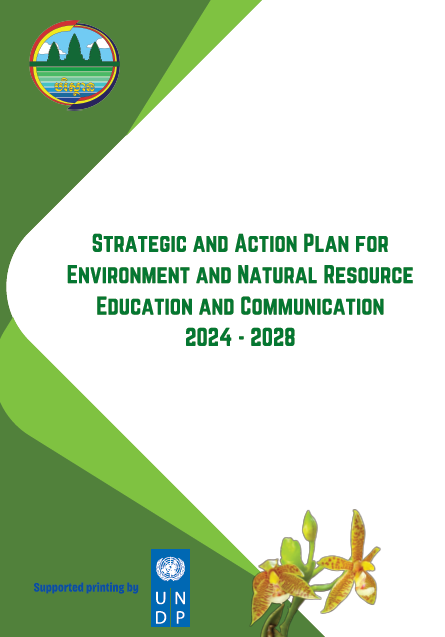
Strategic and Action Plan for Environment and Natural Resource Education and Communication 2024 - 2028
The overall objective of the technical guidelines is to prevent plastics leakage...
View Document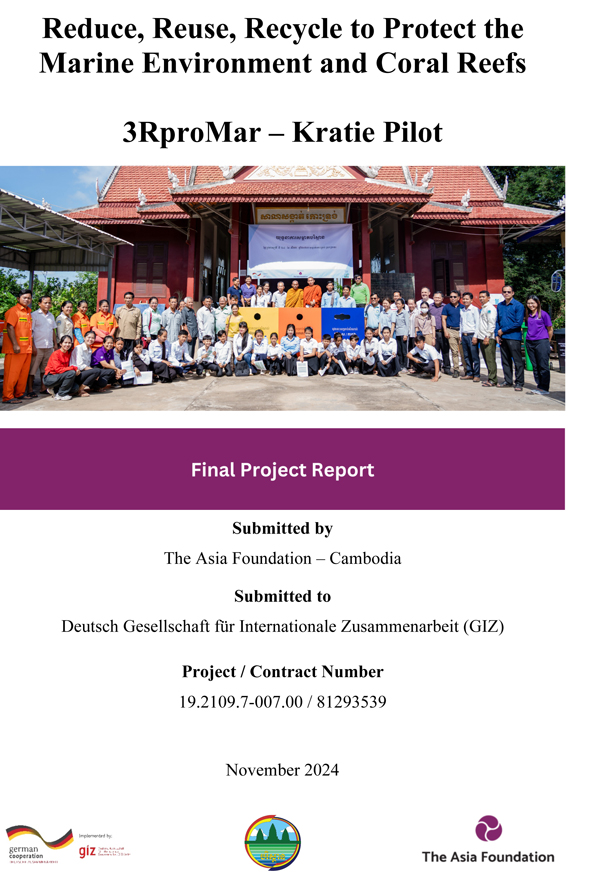
Final Report of the 3RproMar Pilot Project in Kratie
The overall objective of the technical guidelines is to prevent plastics leakage...
View Document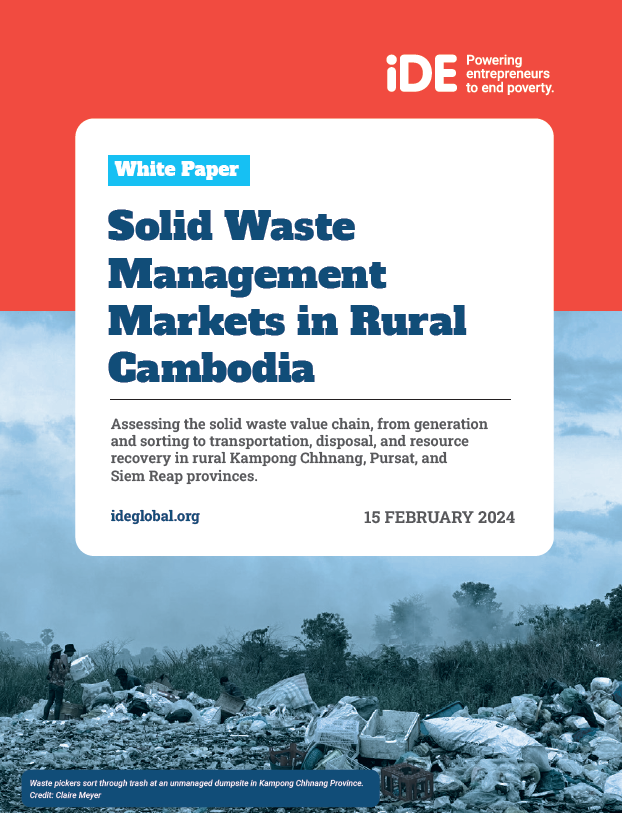
Solid Waste Management Markets in Rural Cambodia
The overall objective of the technical guidelines is to prevent plastics leakage...
View Document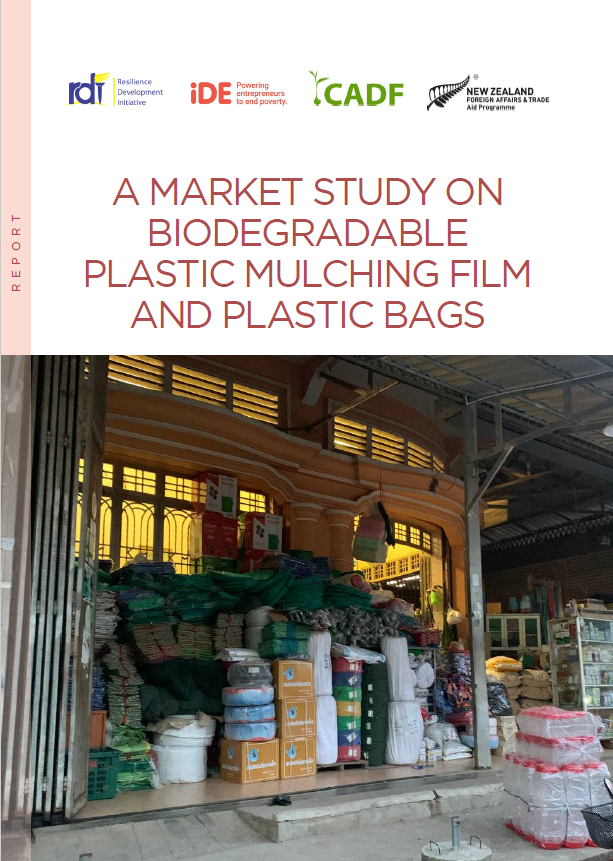
A Market Study on Biodegradable Plastic Mulching Film and Plastic Bags
The overall objective of the technical guidelines is to prevent plastics leakage...
View Document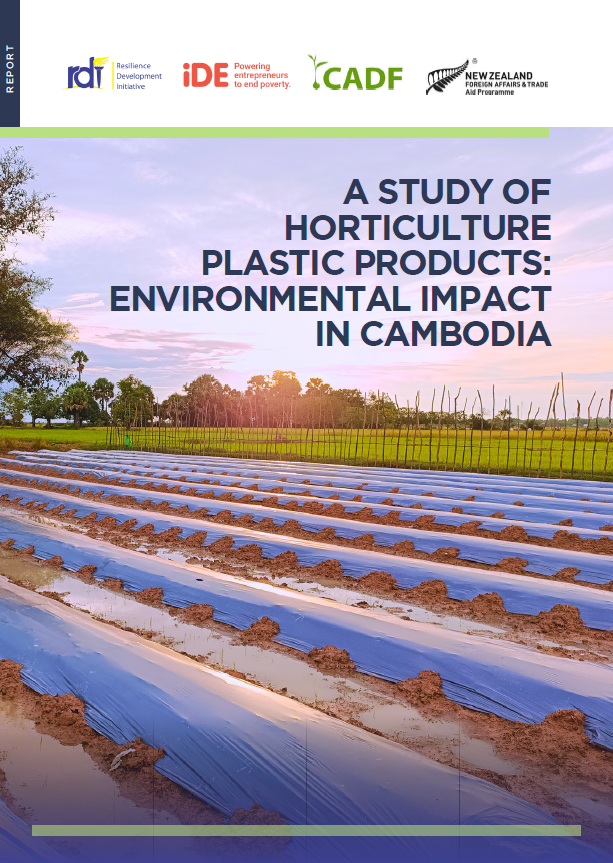
A Study of Horticulture Plastic Products: Environmental Impact in Cambodia
The overall objective of the technical guidelines is to prevent plastics leakage...
View Document

Technology
An Introduction to Plastic Recycling 2019
Global efforts to combat plastic waste include the Paris Agreement and initiatives like the G7 Ocean Plastics Charter. Challenges such as import bans prompt countries like Japan to focus on plastic recycling strategies. Despite complexities, there's an emphasis on recognizing plastic's positive aspects and developing recycling technologies. A multifaceted approach is essential to address sustainability issues effectively, balancing economic, technical, and environmental considerations.
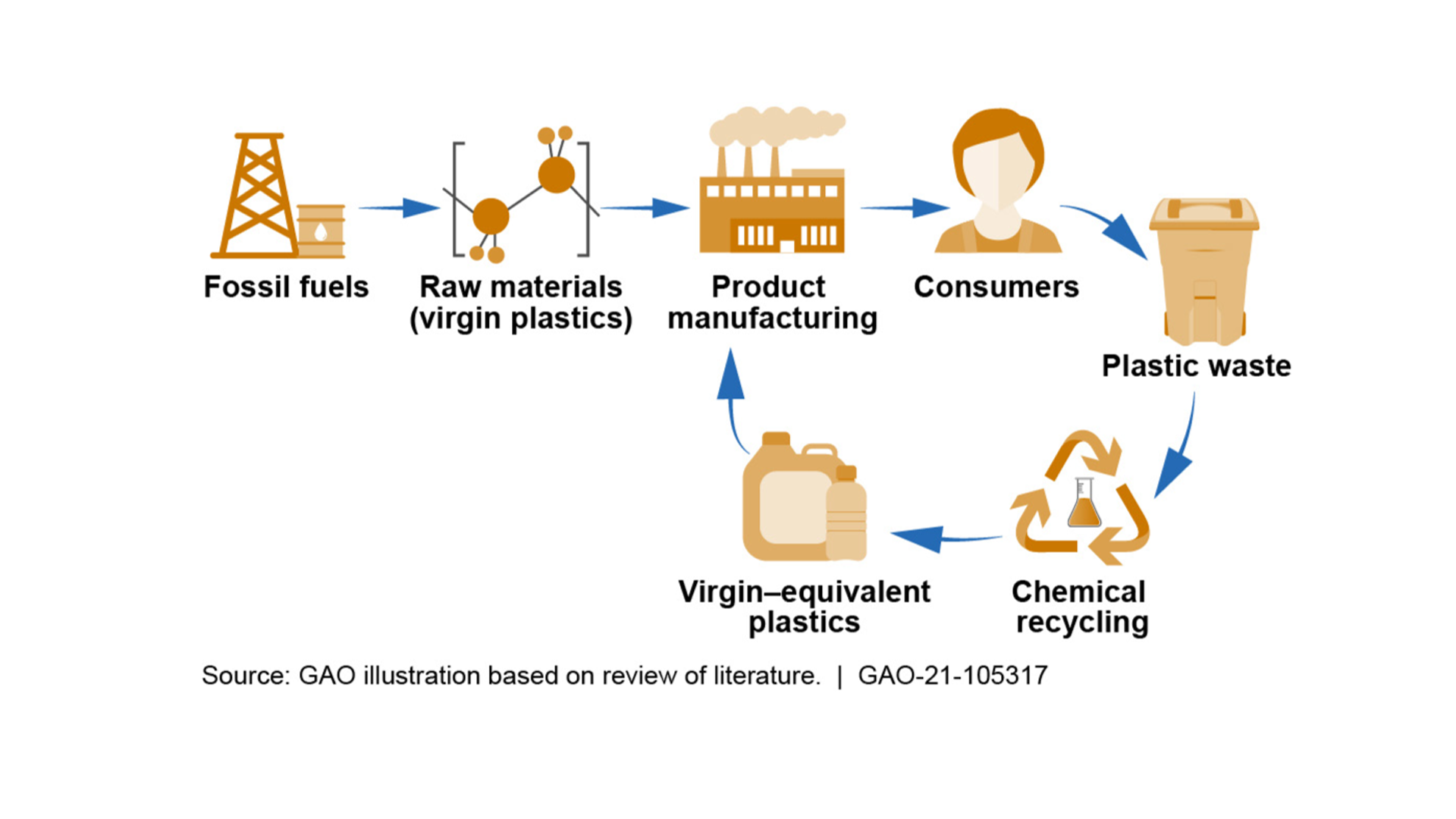
Advanced Plastic Recycling
The current industry standard for recycling plastic is mechanical recycling, which can be expensive labor intensive. Chemical recycling is now being considered, as the technologies for pyrolysis and gasification are mature although their application to plastic recycling is new. There are hurdles it faces though, such as cost-effectiveness, infrastructure development, and environmental impacts.
E-Learning
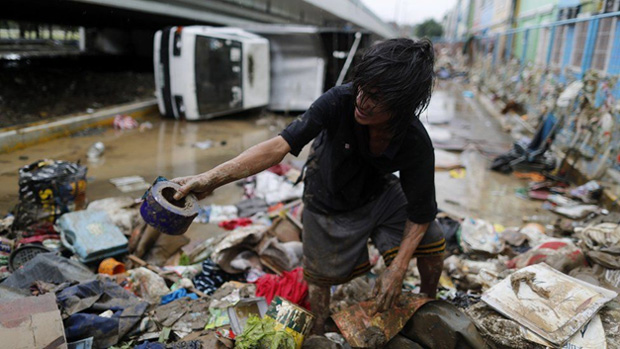
Climate Adaptation and Resilience Building Through Sustainable Waste and Resource Management
Explore CoursesPublications
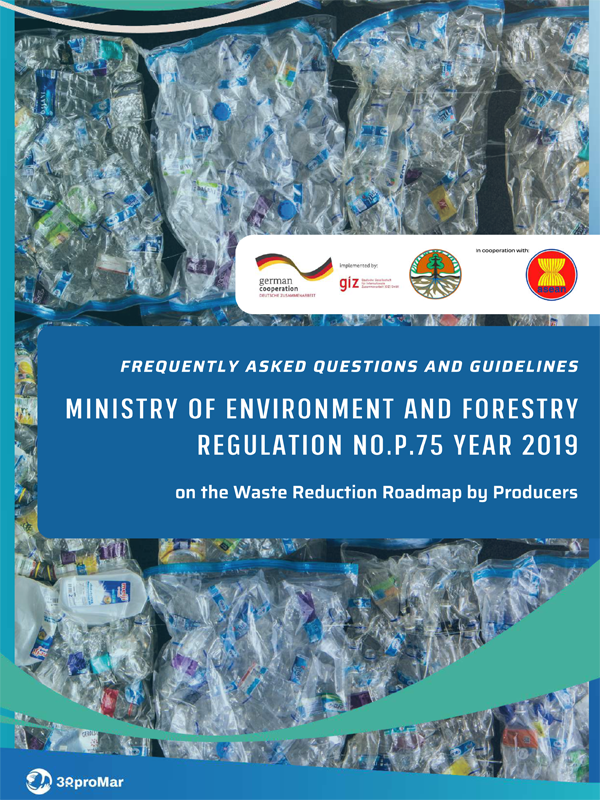
MoEF Regulation Number P75 of 2019 Handbook - FAQs and Guidelines
The overall objective of the technical guidelines is to prevent plastics leakage...
View Document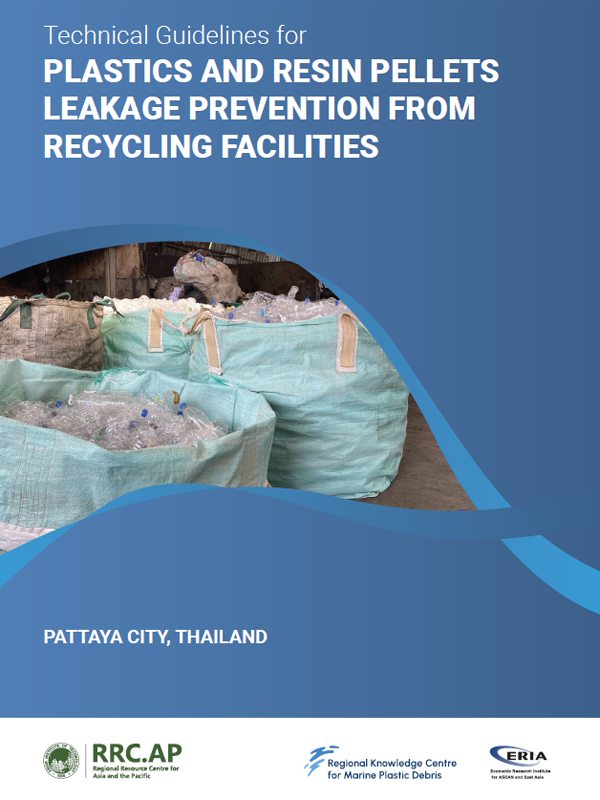
Technical Guidelines for Plastics and Resin Pellets Leakage Prevention from Recycling Facilities, Pattaya City - Thailand The overall objective of the technical guideline is to prevent plastics and
The overall objective of the technical guidelines is to prevent plastics leakage...
View Document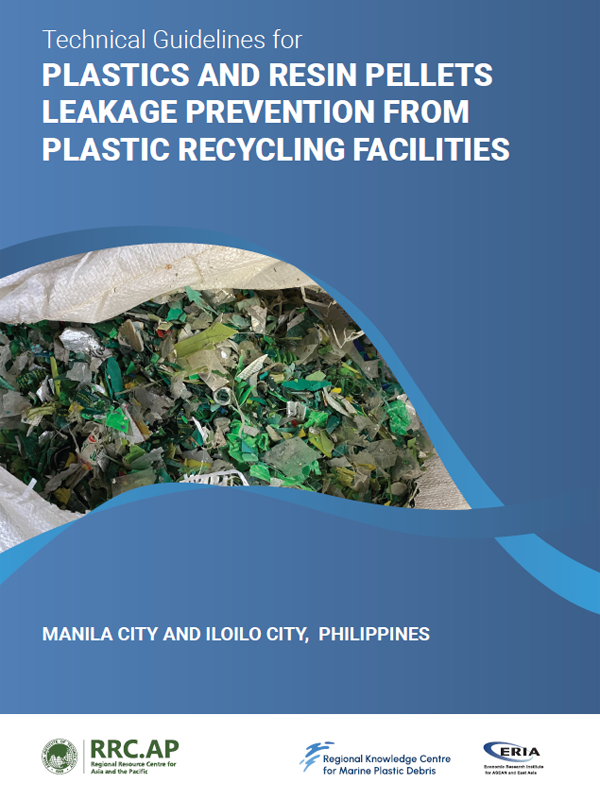
Technical Guidelines for Plastic and Resin Pellet Leakage Prevention from Plastic Recycling Facilities, Manila City and Iloilo City - Philippines
The overall objective of the technical guidelines is to prevent plastics leakage...
View Document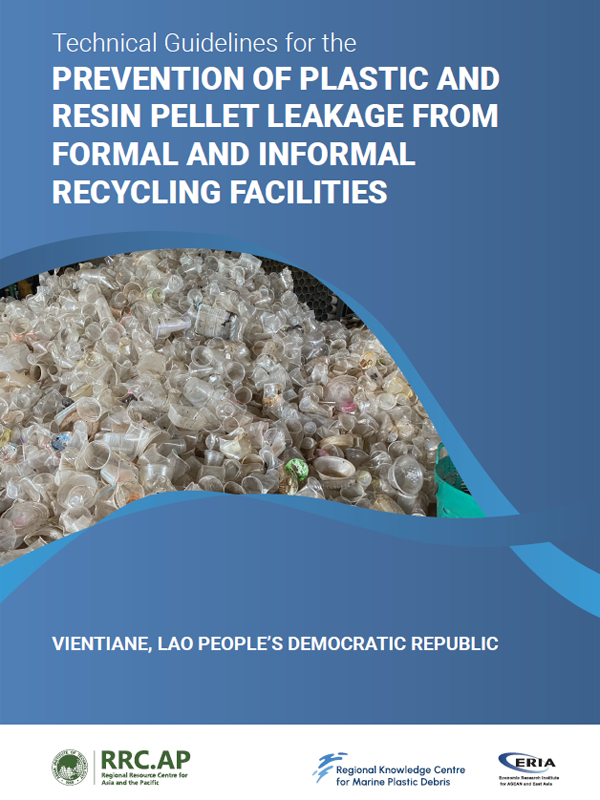
Technical Guidelines for the Prevention of Plastics and Resin Pellet Leakage from Formal and Informal Recycling Facilities, Vientiane, LAO People's Democratic Republic
The overall objective of the technical guidelines is to prevent plastics leakage...
View Document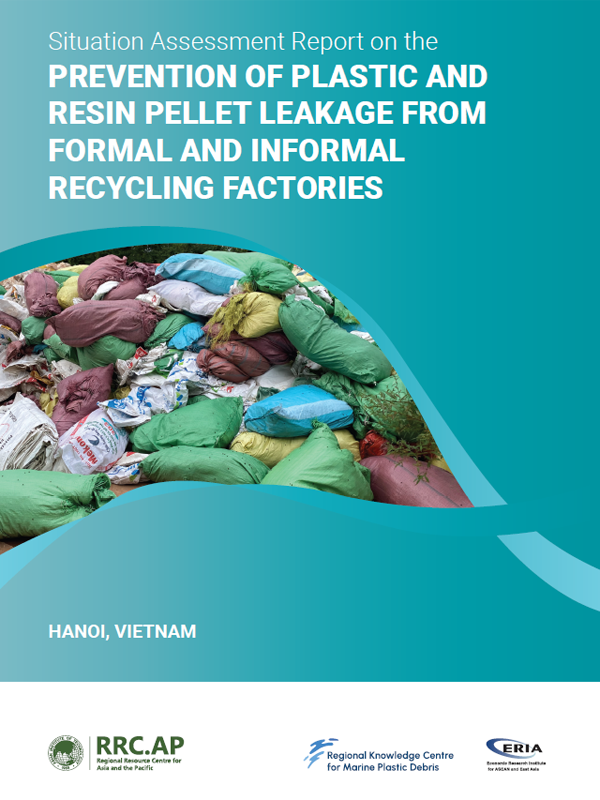
Situation Assessment Report on the Prevention of Plastic and Resin Pellet Leakage from Formal and Informal Recycing Factories, Hanoi - Vietnam
The overall objective of the technical guidelines is to prevent plastics leakage...
View DocumentData
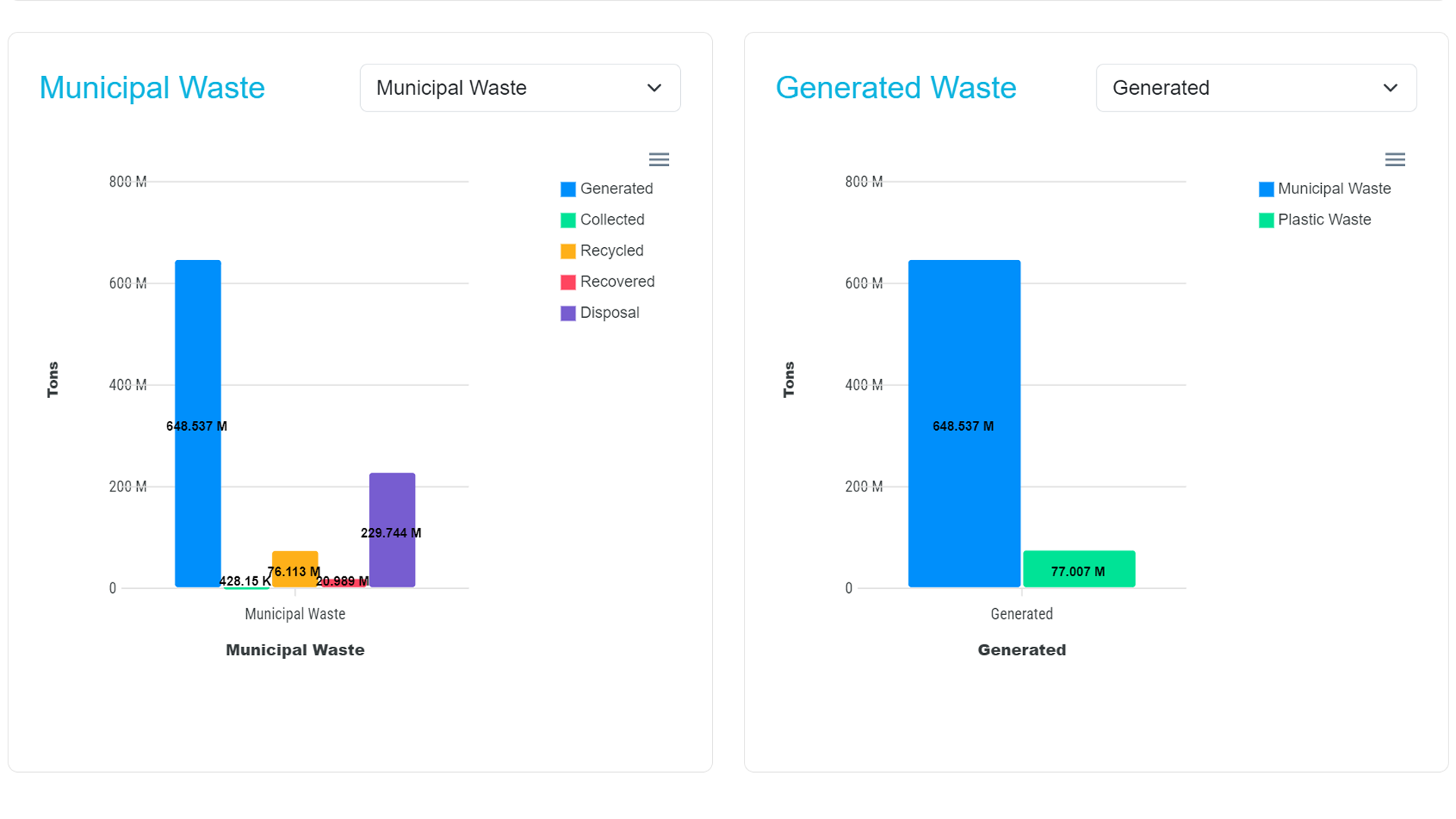
This section compiles and presents waste-related data from across ASEAN, helping stakeholders make evidence-based decisions to address marine litter and improve waste management.
Explore MorePolicy
It presents key laws, regulations, and policy measures addressing waste management and plastic pollution, helping to better understand the policy landscape and identify actions supporting waste reduction, recycling, and marine litter prevention.
Explore More